The Strategic Value of a Graphic Industry Brochure Template Set
For entrepreneurs, marketers, and professionals engaged in visual communication, the creation of compelling brochures is a recurring task. It can also be a significant drain on resources. Developing a unique layout for every campaign, product launch, or corporate report demands time, design expertise, and consistent creative energy. A well-curated Graphic Industry Brochure Template Set addresses this operational challenge directly, but its true worth lies not in mere convenience, but in its potential as a strategic asset for planning, branding, and achieving long-term communication goals.
Moving Beyond a Simple Design Shortcut
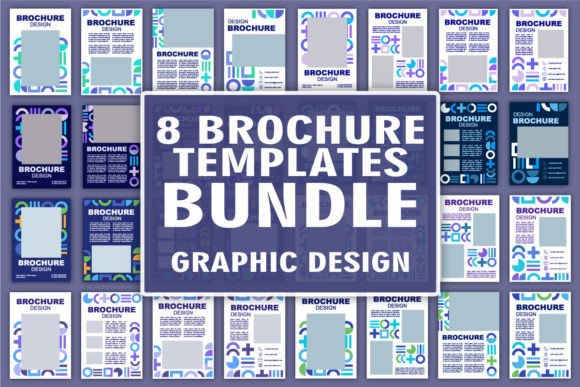
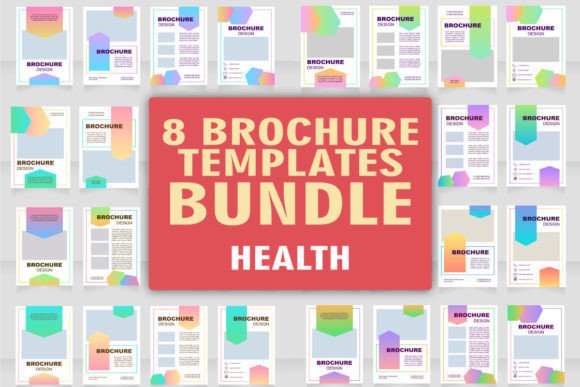
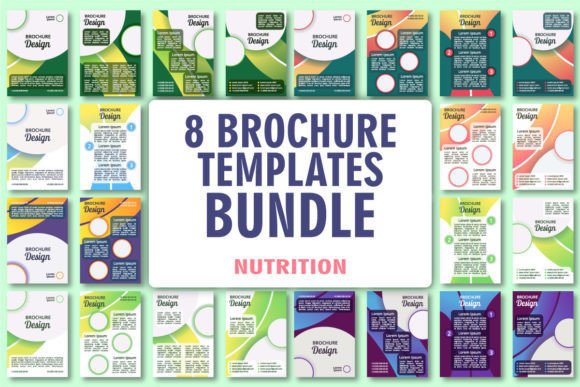
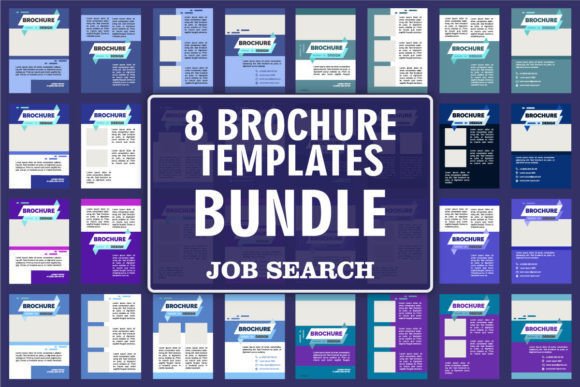
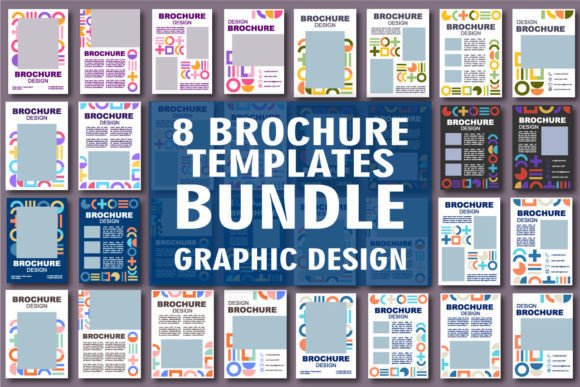
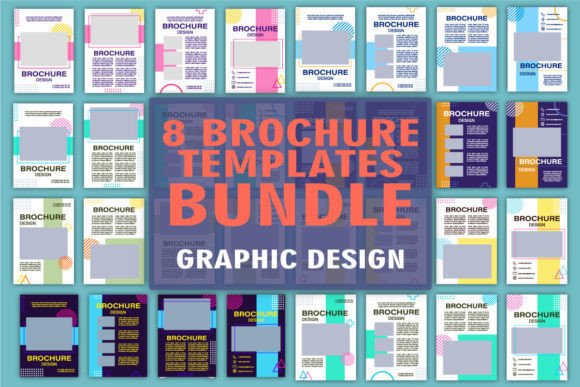
At its core, a comprehensive Graphic Industry Brochure Template Set is a collection of pre-designed, editable layouts. Typically offered in versatile file formats like EPS, SVG, AI, and PNG, these templates provide a structured foundation for your content. The description often includes vertical poster templates, corporate report collections, and editable flyer pages—all with dedicated copy space. This is far more than a random assortment of pretty graphics. When approached intentionally, it becomes a unified system for visual communication.
The strategic utility emerges when you stop viewing templates as one-off solutions and start seeing them as a framework for consistency and efficiency. For a small business owner, this means every promotional piece—from a trade show flyer to an annual report—can share a cohesive visual language without requiring a full design cycle each time. For a marketing team, it ensures that campaign materials across different channels retain a recognizable identity, reinforcing brand positioning with every customer touchpoint.
Aligning Template Use with Clear Communication Goals
Before opening an editable file, the most critical step is aligning the use of a Graphic Industry Brochure Template Set with a clear objective. What is the brochure meant to achieve? Is it designed to generate leads, explain a complex service, support a sales conversation, or build corporate credibility? The template you select and how you customize it should serve that goal directly.
For instance, a template from a "premade corporate reports collection" is structurally designed for data presentation and formal communication. Its layout likely emphasizes hierarchy, clear sectioning, and space for charts. Using it for a quick promotional flyer would be a mismatch, forcing content into an inappropriate format. Conversely, a vibrant vertical poster template from the set is engineered for impact and quick information absorption, ideal for event announcements or product highlights. Matching the template's inherent structure to your intent is the first rule of strategic use.
Planning for Cohesive Brand Operations
A significant advantage of investing in a quality template set is the operational planning it enables. By establishing a library of approved layouts, you create a repeatable process for producing marketing collateral. This has tangible benefits for productivity and brand management.
- Speed and Scalability: When a new project arises, you don't start from a blank canvas. You select the most appropriate template from your set, allowing you to focus resources on content development and customization rather than foundational design. This scalability is crucial for freelancers or teams handling multiple projects concurrently.
- Brand Consistency Guardrails: Templates act as guardrails for your brand's visual identity. By pre-defining areas for logos, color palettes, and typography within the editable files, you reduce the risk of off-brand deviations that can dilute customer recognition and trust over time.
- Resource Allocation: It allows you to strategically allocate your creative budget. Instead of paying for custom design work for every minor communication, you can reserve those funds for high-stakes, flagship projects, using the reliable Graphic Industry Brochure Template Set for ongoing, supportive materials.
Intentional Customization: The Key to Originality
A common concern with templates is the fear of looking generic. This risk is real only when templates are used passively. Strategic use demands intentional customization. This goes beyond simply filling in text boxes.
Consider the editable elements. A robust set includes customizable vector graphics, infographic templates, and icon sets. Swap out generic imagery for your own product photos or brand illustrations. Adjust the color scheme to match a specific campaign theme, even while staying within your brand's overall palette. Modify the typography hierarchy to emphasize different messages. The goal is to use the template's structure as a scaffold upon which you build your unique message, not as a cage that confines it.
For example, an educator using a brochure template for a course syllabus could utilize the infographic elements to visually map the learning journey, replacing standard business graphics with education-related icons. This transforms a generic layout into a tailored, purpose-built tool.
Strategic Considerations Before Implementation
Adopting a Graphic Industry Brochure Template Set requires thoughtful consideration to ensure it becomes a valuable tool, not a limiting constraint.
- Audience and Context Fit: Does the visual tone of the template set align with your industry and target audience? A set designed for the graphic industry might lean towards clean, modern aesthetics suitable for tech, creative services, or professional consulting. Ensure its baseline style is a good starting point for your needs.
- Technical Compatibility and Skill: Assess the file formats. SVG and AI files offer maximum scalability and editability but require vector design software knowledge. PNG and JPEG are more accessible but less flexible. Ensure your team or your own skills can comfortably work with the provided formats to unlock their full potential.
- Long-Term Value vs. One-Time Need: Evaluate the collection's breadth. A set with universal brochure designs, poster templates, and report layouts offers long-term value for varied needs. A narrower set might only solve a single, immediate problem. Investing in a comprehensive system supports future planning.
- The Update Cycle: Promises of "new graphics every week" or subscription updates indicate a living product. This can be advantageous for keeping your visual tools fresh, but consider if you need constant novelty or a stable, foundational set.
Risks of Uncontextualized Template Use
Without a strategic approach, simply dropping text into a template can backfire. The primary risk is creating communications that feel disconnected from your brand's core message or your specific audience's expectations. A beautifully designed brochure that fails to guide the reader's eye to the key call-to-action because the template's focus wasn't adapted is a wasted effort.
Another risk is over-reliance, which can stifle true creative innovation. While templates are excellent for operational consistency, they should not replace the need for occasional, fully custom design work for pivotal brand moments or groundbreaking campaigns. Use the Graphic Industry Brochure Template Set to handle the routine, thereby freeing up capacity to invest in the exceptional.
Practical Applications Across Professional Roles
The utility of a versatile template set spans the roles of your target audience.
For the freelancer or blogger, it provides a professional polish for client proposals or promotional materials without the overhead of a dedicated designer. For the small business owner, it ensures that store opening flyers, service menus, and loyalty program guides all feel part of the same business family. For the corporate marketing professional, it allows for the rapid deployment of region-specific campaign materials or internal reports, all maintaining global brand standards.
A hobbyist running a community workshop can use a vertical poster template to create attractive announcements, elevating their project's visibility. An educator or publisher can leverage the corporate report templates to produce clean, readable course catalogs or research summaries.
In each case, the practitioner is making a strategic decision: to invest time in content and message crafting, while leveraging a reliable system for the visual container. This shifts the focus from "how do I design this?" to "what do I need to communicate and achieve?"
Building a Repeatable System for Better Results
The ultimate goal is to build a repeatable system that yields better results over time. Consistency in visual communication builds customer familiarity and trust. Efficiency in production reduces costs and time-to-market for important messages. Having a trusted Graphic Industry Brochure Template Set at your disposal means you are always prepared to respond to opportunities—a new product feature, a community event, a quarterly results announcement—with a professionally crafted piece that supports your broader goals.
Start by auditing your common communication needs. Map them to the template types available in a set—brochures for services, posters for events, reports for data. Then, treat customization as a strategic step, where you adapt the template to serve the specific psychology of your audience and the precise action you want them to take. By doing so, you transform a collection of editable files into a powerful tool for intentional, effective, and sustainable communication.